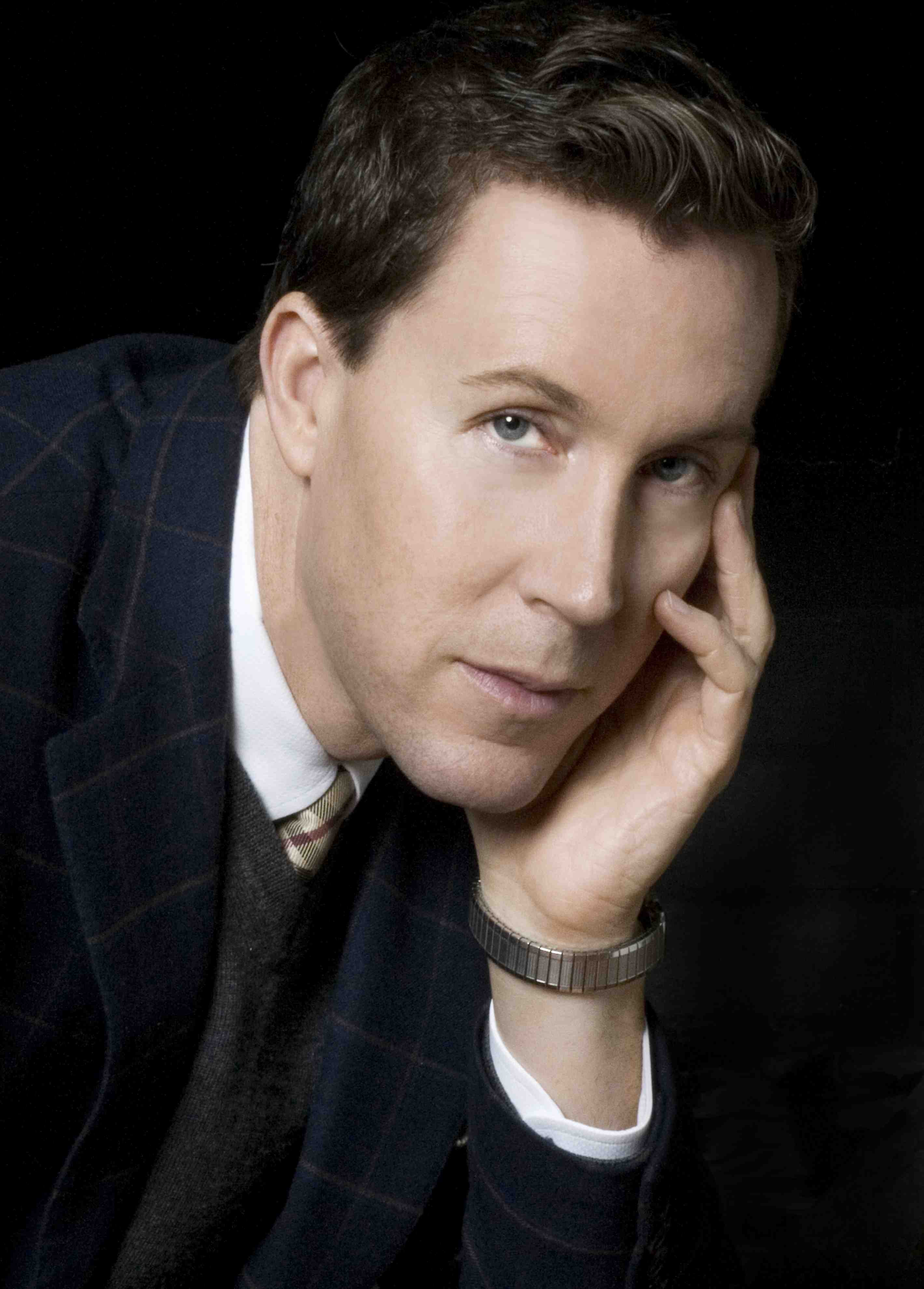
In fashion colleges, 90% to 95% of students enrolled are female…
By Stacey Grant
North West School of Design
1st year student: BSC Fashion Management & Communication
Gender roles of men and women have been fashioned by society. Men have been expected to be the head of the household, bread winner and protector for thousands of years. The roles of women were that of caregiver, pro-creator and taking care of the family as well as obeying their husbands. In the late 1800s, these roles were disturbed as women began to rebel against structures of norms set by society. Women felt the need to be heard and experience equality - all this exacerbated by women in the workplace as demanded by the Industrial Revolution.
Living in a time where people are being laid-off and an economic recession is prevalent, one would think that all working class people would want to further educate themselves in order to secure the steady income they receive monthly. According to research done by the Pew Research Centre, more women than men are furthering their studies and acknowledge the greater value of higher education. The research also showed that women felt that they benefited intrinsically from tertiary education and that their quality of life had improved. Society seemed undecided about their feelings towards the changes in the make up of the student body. Initially, the majority of people surveyed appreciated the fact that more female students than male students are enrolling for and graduating from tertiary institutions but, when asked how they felt about less men enrolling and graduating from tertiary institutions than women, their reactions swayed.
In the fashion industry, these statistics are concerning because both men and women are employed within this industry. Presently, in fashion colleges, 90% to 95% of students enrolled are female and there is a great misconception that the few males who do attend these colleges are all homosexual. This is definitely not always the case. In actual fact, sexuality has nothing to do with creativity. Fashion designers think in 3-D; this is the same aptitude needed to study engineering and architecture. Most men are born with this ability thus, one would naturally think that more men would be in the field of design. Outside the design arena of the fashion industry, there are many other occupations suitable for both men and women. Some of these occupations are; fashion entrepreneurs, fashion buyers, fashion trend forecasters and fashion journalists to name but a few. Having so many careers available in the fashion industry to choose from, that are suitable for both sexes, one cannot but question the reason behind the fact that women are the majority who are educating themselves. A good example of this is visible in the enrollments of the North West School of Design. In the BSc Fashion Management and Communication degree, there are zero male students enrolled. This is strange as the careers that flow from this degree are endless - of which some are: Merchandiser, Production Manager, Quality Controller, Clothing Technologist and Fashion Marketer. In the BA Fashion Design degree, the percentage of females to males is an astonishing 85% to 15% respectively.
The fashion industry is misunderstood. The associations people often make are images of dull-looking models, homosexual male designers and unattainable status that oddly compel some to be a part of it. Others have found great success in this industry through internships, networking, and extreme hard work and most importantly, understanding that the fashion industry is a multi-billion rand conglomerate. Examples of successful men in the fashion industry are: Simon Spurr, a fashion designer; Benjamin Clymer, the editor-in- chief of HODINKEE; Corey Kelly, a stylist; Joshua Linam, a writer; and Eddy Chai, store owner. These men prove that the fashion industry is not only for women and serve as motivation for all men to further their studies and become truly successful within this field.
Society and the media in specific tend to ‘label’ certain occupations and restrict choices made by the youth. Males are not comfortable pursuing opportunities within the fashion world for fear of being stereotyped. Unfortunately the same applies to females who would perhaps enjoy a future in a traditionally male dominated field. My question remains – why do we allow society to dictate our decisions and life choices? When are we going to do what is suitable for us? Men need to realize that even though women have become contenders in the work place, they still have a traditional role to fulfill and therefore should be as well educated as possible. Decide what your choice of field is and whether associated as predominantly male or female – pursue it and be the best you can be.
Men in fashion:


Gilt MAN Fashion Advisor Nick Wooster had been at the forefront of fashion for the past 20 years. His unique style has been shaped from working at fashion houses such as Ralph Lauren, Calvin Klein, and John Bartlett. As a former Men’s Fashion Director of Neiman Marcus, Wooster maintains a distinct eye for styling that causes him to stand out during Fashion Week.

Photo Courtesy: Sally Ryan, New York Times
Brian Spaly is one man who sees opportunity in men’s retailing – if it’s done right. In 2007, along with business partner Andy Dunn he founded Bonobos, which became one of the biggest start-up success stories to come out of the recession — especially in fashion retail. Together they created a men’s clothing brand that became instantly famous for having the best fitting pants on the planet.

Eric Jennings, vice president and fashion director for men’s wear at Saks Fifth Avenue